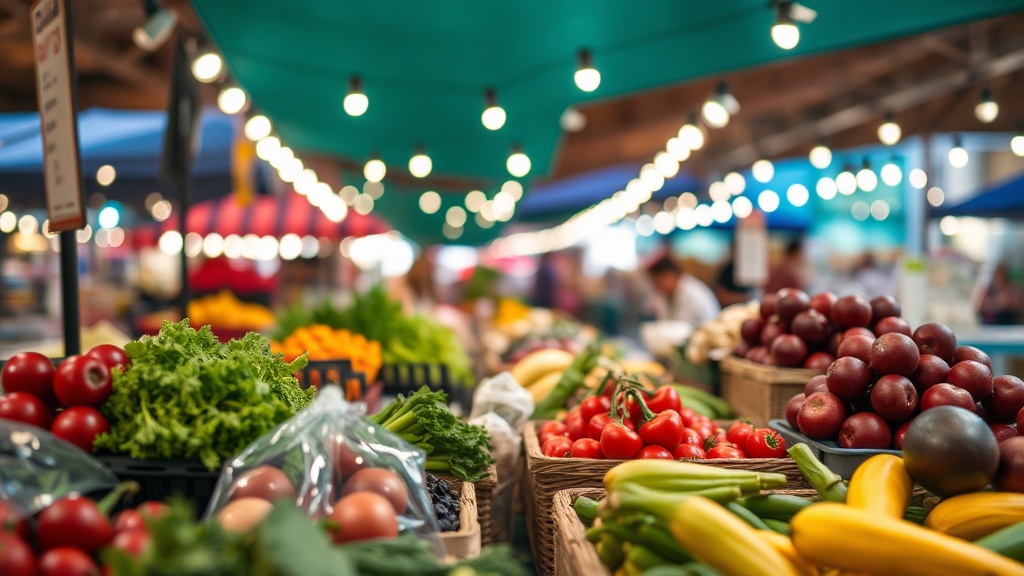
Score a Great Deal on Local Farmer's Market Goods

Quick Tip
Arrive early for variety, but shop late for the best discounts on remaining seasonal items.
Did you know that nearly 30% of a grocery store's markup comes from the long-distance transport and packaging required to move food across provinces? This post shares how to bypass those costs by shopping smarter at local Ontario markets. You'll learn how to time your visits, what to look for, and how to get the best value for your dollar.
How Can You Get the Best Prices at Farmers' Markets?
The best way to save money is to shop during the final hour of the market session. Most vendors would rather sell their last crate of strawberries at a discount than pack them back into the van—it's a win-win for everyone.
Keep these three tactics in mind:
- Go late in the day: Aim for the last hour of operation for steep discounts on perishables.
- Buy in bulk: If you see a deal on a flat of organic berries, grab it (and maybe some yogurt from the Lactantia brand if you see it nearby).
- Bring cash: While many vendors now take Square or Interac, having small bills can sometimes speed up the process when things get busy.
What Should You Buy for Maximum Value?
Focus on seasonal produce that is currently in peak harvest in Ontario. When a vegetable is in season, the supply is high and the price naturally drops.
I've put together a quick comparison to help you decide where to spend your money based on the time of year:
| Season | Best Value Items | Price Trend |
|---|---|---|
| Late Spring | Asparagus, Radishes, Spinach | Moderate |
| Summer | Peaches, Tomatoes, Corn | Lowest |
| Fall | Apples, Squash, Root Vegetables | Low |
It's worth noting that buying local isn't just about the price tag. By shopping at local markets, you're supporting the Ontario agriculture sector and reducing the carbon footprint of your meal. If you're looking for more ways to enjoy the outdoors, check out my guide on hidden gems for a family picnic in Stittsville.
How Do You Identify High-Quality Produce?
Look for vibrant colors and weight; a heavy tomato is usually a juicy tomato. Avoid anything that looks bruised or has an unusual smell, as that's a sign it's past its prime.
If you're unsure about the seasonality of a specific item, you can always check the Wikipedia page on seasonal food to see what's typically available in Canada right now. Don't be afraid to ask the vendor directly—they are usually happy to share their expertise (and often have the best tips for ripening fruit at home).